A flat car battery is one of the most common problems drivers’ experiences. It often happens at the worst possible time—when you’re heading to work, picking up the kids, or preparing for a long drive. Fortunately, jump-starting your car is a relatively simple process when done correctly. However, doing it the wrong way can damage your vehicle’s electrical system or even cause serious injury.
Understanding the correct procedure and safety precautions is essential before attempting to jump-start a car battery. In this guide, we’ll explain why batteries go flat, how to safely jump-start your car step-by-step, and what to do if the vehicle still won’t start.
Related Posts
Why Car Batteries Go Flat
Before learning how to jump-start a battery, it helps to understand why batteries fail in the first place. Most flat battery situations occur due to everyday issues that are easy to overlook.
Leaving Lights or Electronics On
One of the most common causes of a dead battery is leaving the headlights, interior lights, or accessories running when the engine is off. Even small electrical components can drain the battery overnight.
Old or Worn-Out Batteries
Car batteries generally last between 3–5 years. Over time, the battery’s internal components deteriorate, making it harder to hold a charge.
Extreme Temperatures
Both very hot and very cold weather can weaken a battery’s performance. In Australia, heat is often the bigger culprit, accelerating battery degradation.
Alternator Issues
If the alternator is not charging the battery properly while driving, the battery will eventually lose power.
Corroded Battery Terminals
Corrosion on battery terminals can interrupt the flow of electricity, preventing the car from starting even if the battery still has some charge.
Understanding these causes can help prevent future breakdowns.
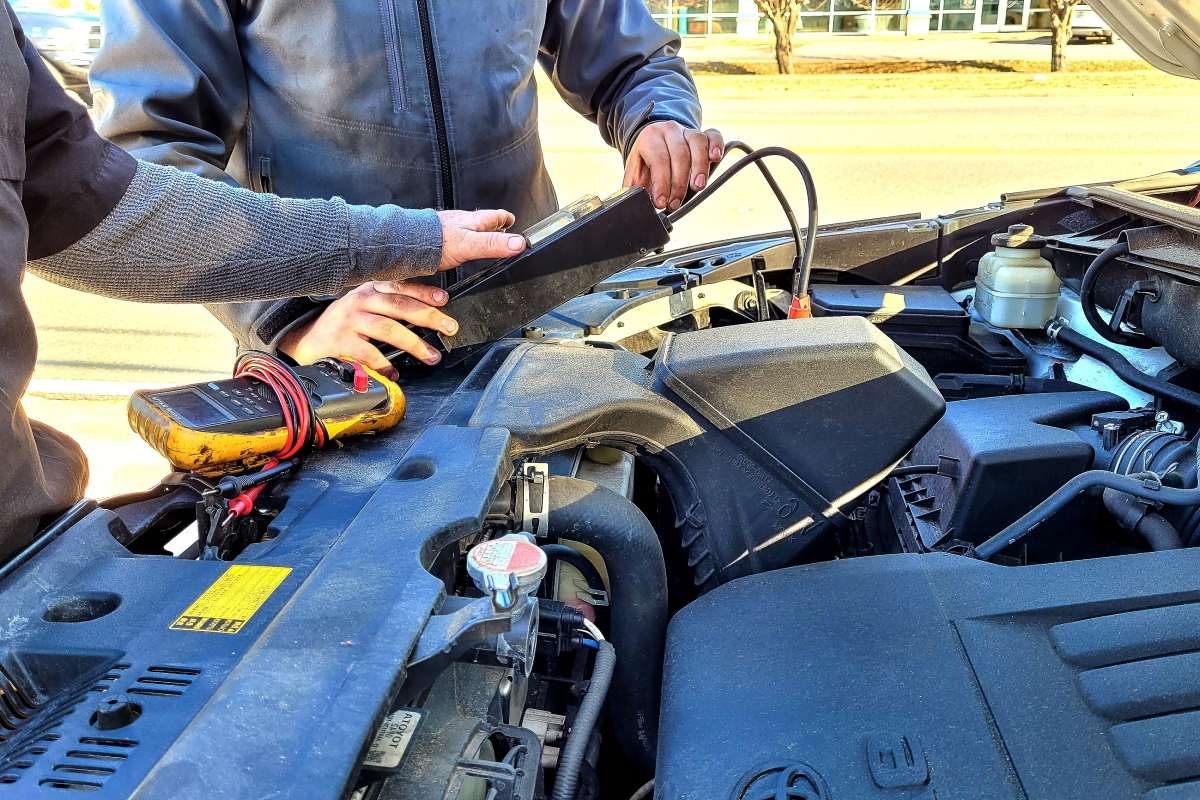
Safety Precautions Before Jump-Starting
Jump-starting a vehicle involves electrical currents, so safety should always come first.
Before connecting jumper cables, keep these precautions in mind:
- Read the vehicle owner’s manual
- Use proper jumper cables in good condition
- Wear gloves and eye protection if available
- Ensure both vehicles are turned off
- Keep metal objects away from the battery terminals
- Never allow jumper cable clamps to touch each other
If you are unsure about the process or the battery appears damaged, it’s best to seek professional roadside assistance.
What You Need to Jump-Start a Car
Jump-starting a car requires only a few basic tools:
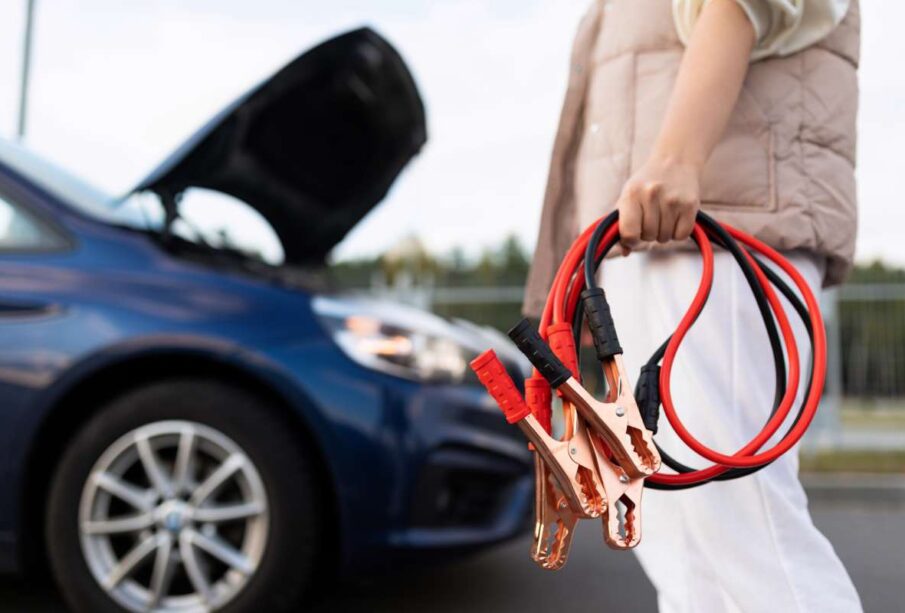
- A set of jumper cables
- A second vehicle with a healthy battery or a portable jump starter
- Safety gloves (optional but recommended)
Portable jump starters are becoming increasingly popular because they eliminate the need for another vehicle.
Step-by-Step Guide to Jump-Starting Your Car
Follow these steps carefully to jump-start your vehicle safely.
1. Position the Vehicles
Park the working vehicle close enough so the jumper cables can reach both batteries, but do not allow the vehicles to touch.
Make sure both vehicles are in park (automatic) or neutral (manual) and apply the handbrake.
2. Locate the Battery Terminals
Open the bonnet of both vehicles and identify the battery terminals:
- Positive (+) – usually marked in red
- Negative (−) – usually marked in black
Ensure the terminals are clean and free from excessive corrosion.
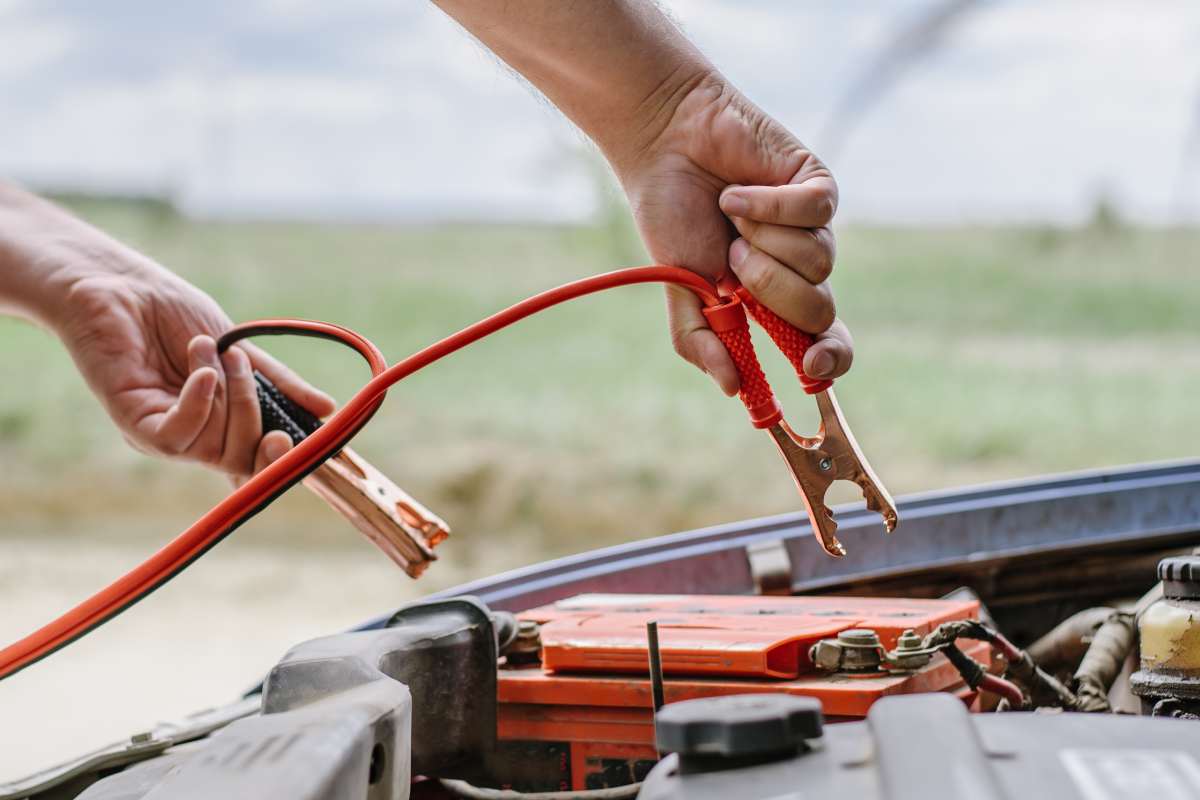
3. Connect the Jumper Cables
The order of connection is extremely important.
Follow this sequence:
- Connect the red clamp to the positive terminal of the dead battery
- Connect the other red clamp to the positive terminal of the working battery
- Attach the black clamp to the negative terminal of the working battery
- Connect the final black clamp to a solid metal ground on the car with the dead battery (such as an engine bolt)
Avoid attaching the final clamp directly to the dead battery’s negative terminal. This helps prevent sparks near the battery.
4. Start the Working Vehicle
Start the engine of the vehicle with the healthy battery and allow it to run for 2–5 minutes.
This allows power to flow into the flat battery.
5. Start the Dead Vehicle
Attempt to start the vehicle with the flat battery.
If it doesn’t start immediately, wait a few more minutes and try again.
Once the vehicle starts, allow both engines to run for a few minutes.
6. Remove the Jumper Cables
Disconnect the cables in reverse order of how they were connected:
- Remove the black clamp from the grounded metal surface
- Remove the black clamp from the working battery
- Remove the red clamp from the working battery
- Remove the red clamp from the previously dead battery
Be careful not to let the clamps touch during removal.
7. Let the Car Run
Allow the engine to run for 15–20 minutes or take the vehicle for a short drive.
This helps recharge the battery through the alternator.
Signs Your Battery May Need Replacement
Jump-starting a battery can get you moving again, but it may not fix the underlying problem. If your battery repeatedly goes flat, it may be time for a replacement.
Common warning signs include:
- Slow engine cranking
- Dim headlights
- Electrical issues in the vehicle
- Battery warning light on the dashboard
- Frequent need for jump-starts
If these symptoms occur regularly, a battery test or replacement is recommended.
What If the Car Still Won’t Start?
Sometimes a jump-start doesn’t solve the problem. This could indicate a more serious mechanical issue.
Possible causes include:
- A faulty alternator
- A starter motor problem
- A completely dead battery
- Blown fuses
- Fuel system issues
In these situations, professional assistance may be required. If your vehicle is stranded or unable to start after several attempts, contacting a towing or roadside service can be the safest option. Companies like Interstate Towing AU provide support for vehicle breakdowns and can help transport your car to a mechanic if necessary.
Common Jump-Starting Mistakes to Avoid
Even though jump-starting seems simple, mistakes can damage your vehicle or cause injury.
Here are some errors to avoid:
Connecting Cables in the Wrong Order
Incorrect cable connections can cause sparks or electrical damage.
Letting Cable Clamps Touch
Clamps touching each other while connected can create a short circuit.
Jump-Starting a Damaged Battery
If the battery is leaking, cracked, or swollen, do not attempt to jump-start it.
Using Incorrect Cables
Thin or damaged jumper cables may not carry enough current.
Revving the Engine Excessively
High revving is unnecessary and may strain the electrical system.
Tips to Prevent a Dead Car Battery
Prevention is always easier than dealing with a breakdown. Here are simple ways to extend battery life:
Drive Your Car Regularly
Short, infrequent trips may not allow the battery to fully recharge.
Turn Off Electronics Before Leaving
Always check that lights, radios, and chargers are switched off before exiting the vehicle.
Keep the Battery Clean
Removing corrosion from terminals ensures proper electrical flow.
Test the Battery Periodically
Most mechanics and auto stores offer quick battery testing.
Replace Aging Batteries Early
Replacing a battery before it fails can prevent unexpected roadside issues.
When to Call a Professional
While many drivers are comfortable jump-starting a car themselves, some situations are better handled by professionals.
Consider calling for assistance if:
- The battery repeatedly fails
- You smell burning or see sparks
- The vehicle stalls after starting
- The battery appears damaged
- You are stranded in an unsafe location
Professional towing services can provide peace of mind during these situations. If a vehicle cannot be restarted or safely driven, providers such as Interstate Towing AU can assist with safe vehicle transport to a repair facility.
Final Thoughts
Knowing how to safely jump-start your car is an essential skill for any driver. With the correct equipment and a clear step-by-step process, you can quickly get back on the road without risking damage to your vehicle.
However, jump-starting should often be viewed as a temporary solution rather than a permanent fix. If your battery continues to lose charge or your vehicle struggles to start, it’s important to have the electrical system inspected by a qualified mechanic.
And if your car simply won’t start or you’re stranded far from home, professional support services such as Interstate Towing AU can help ensure your vehicle is transported safely and efficiently.
By following safe practices and maintaining your battery regularly, you can greatly reduce the chances of being caught off guard by a flat battery in the future.